
Is Your Dog Shaking Their Head? A Guide to Ear Infections (Otitis Externa)
What you need to know about ear infections in dogs — and why they’re worth taking seriously.
East End Veterinary Hospital. Pet Health Series
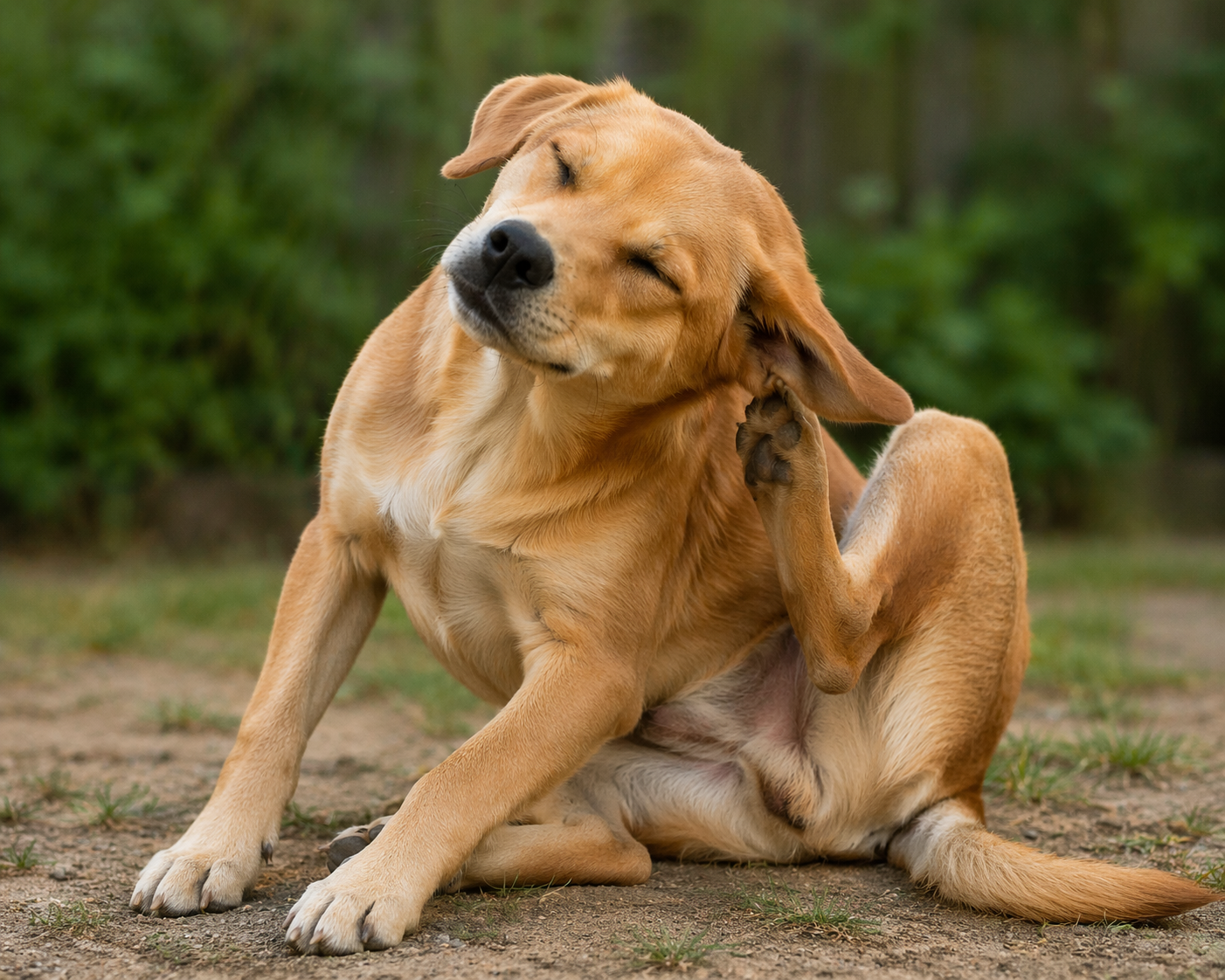
As a dog owner, you know that telltale sound: the frantic thwack-thwack-thwack of your dog’s ears hitting their head as they try to shake off an invisible annoyance. While it might look like a simple itch, frequent head shaking is often the first sign of Otitis Externa, or an infection of the outer ear canal.
Ear infections are among the most common reasons dogs visit the vet. Whether your pup has the long, velvety ears of a Cocker Spaniel or the perky ears of a Terrier, understanding the “why” and “how” of ear health is vital for their comfort.
What Exactly is Otitis Externa?
Simply put, it’s inflammation or infection of the external ear canal. While any dog can develop one, certain physical traits make some breeds more susceptible:
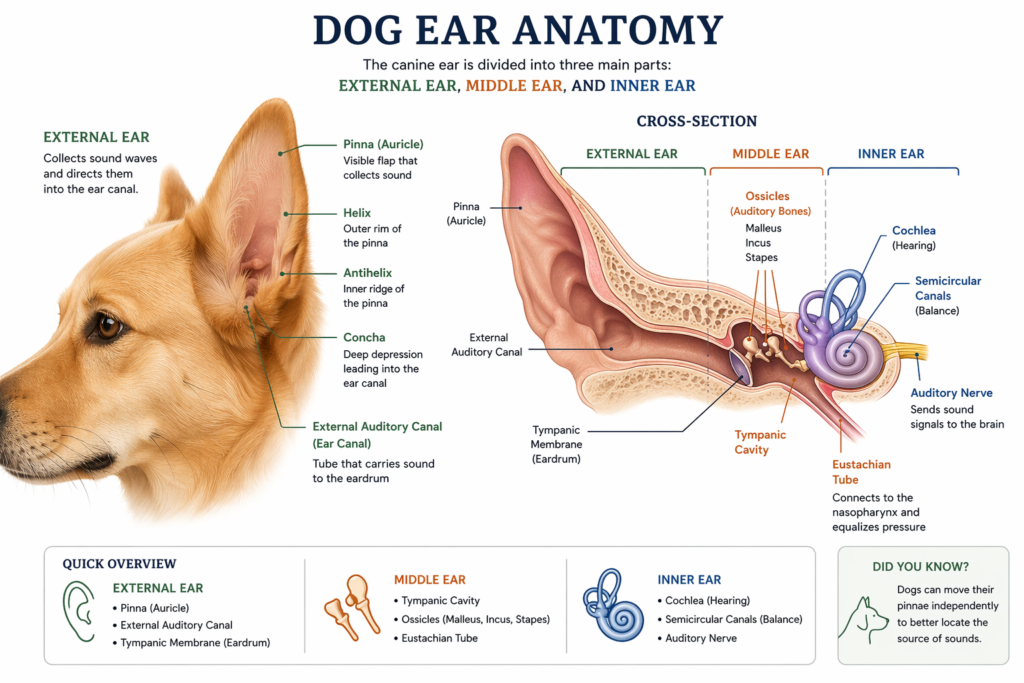
- Floppy ears (Cocker Spaniels, Bassets) trap moisture.
- Hairy canals (Poodles, Schnauzers) can harbor debris.
- Narrow canals can restrict airflow.
Signs Your Dog is Dealing with an Infection
Dogs can’t tell us when their ears ache, but their behavior speaks volumes. Look out for:
- The Shake & Scratch: Persistent head shaking and pawing at the ears.
- The Look: Red, inflamed, or swollen ear flaps.
- The Smell: A distinct, often “yeasty” or pungent odor.
- The Discharge: Black, brown, or yellowish “gunk” in the canal.
- Changes in Texture: In chronic cases, the skin may look crusty or thickened (stenotic).
A Note on Ear Mites: While mites cause similar symptoms (black discharge and itching), they are far more common in puppies than adults. However, mites can pave the way for more serious bacterial or fungal infections.
Why You Should Skip the OTC Drops
It’s tempting to grab a bottle of ear cleaner or over-the-counter drops, but self-treating can be dangerous. Here’s why a professional exam is a must:
- The Eardrum Factor: If your dog’s eardrum is ruptured, certain medications can actually cause permanent hearing loss or neurological issues. Only a vet can safely verify if the eardrum is intact.
- Foreign Objects: Sometimes the “infection” is actually a grass seed, a polyp, or a tumor lodged in the canal.
- Targeted Medicine: Is it yeast? Is it bacteria? Each requires a different medication. Using the wrong one is a waste of time and money.
Diagnosis and Treatment: What to Expect
Your veterinarian will typically use an otoscope to look deep into the canal. If the ear is too painful or filled with debris, your dog might need mild sedation to ensure a thorough (and painless) cleaning and exam.
The Diagnostic Process:
- Cytology: Examining ear debris under a microscope to identify the specific “bugs” involved.
- Culture Tests: Used for chronic cases to see exactly which antibiotics will work best.
Treatment Plans:
Most infections are cleared up with a combination of professional cleaning and medicated drops (antibiotics, antifungals, or anti-inflammatories).
The “Hidden” Culprits
If your dog gets ear infections constantly, the ears are often just the “smoke” for a “fire” happening elsewhere in the body.
- Allergies: Up to 43% of chronic ear infections are linked to environmental allergies, and a staggering 65–80% of dogs with food allergies suffer from ear issues.
- Hormones: Conditions like hypothyroidism can make the ears a playground for bacteria.
The Risks of Waiting
An untreated ear infection isn’t just uncomfortable; it can lead to:
- Aural Hematomas: When blood vessels in the ear flap burst from violent shaking, requiring surgery.
- Hearing Loss: Deep infections can rupture the eardrum permanently.
- Surgery: In severe, chronic cases where the canal has thickened and closed (stenosis), a Total Ear Canal Ablation (TECA) may be the only way to provide relief.
The Bottom Line
The prognosis for Otitis Externa is excellent—if caught early. If you notice a funky smell or a frequent head shake, don’t wait for it to “clear up on its own.” A quick trip to the vet can prevent a minor itch from becoming a major surgery.
Is your pup’s ear looking a little red? It might be time for a check-up!

0 Comments